GMAP
Glittery Metal Alloy Paste
- Excellent wetting and surface conformity
- Stable thermal resistance at low pressure
- 100°C / 200-hour anti-sagging test
 TRIPOD THERMAL
01 — LIQUID METAL PASTES
GMAP and SMAP combine metal-alloy heat transfer with paste-like handling, superior wetting, and high-temperature stability.
02 — WHY METAL PASTE
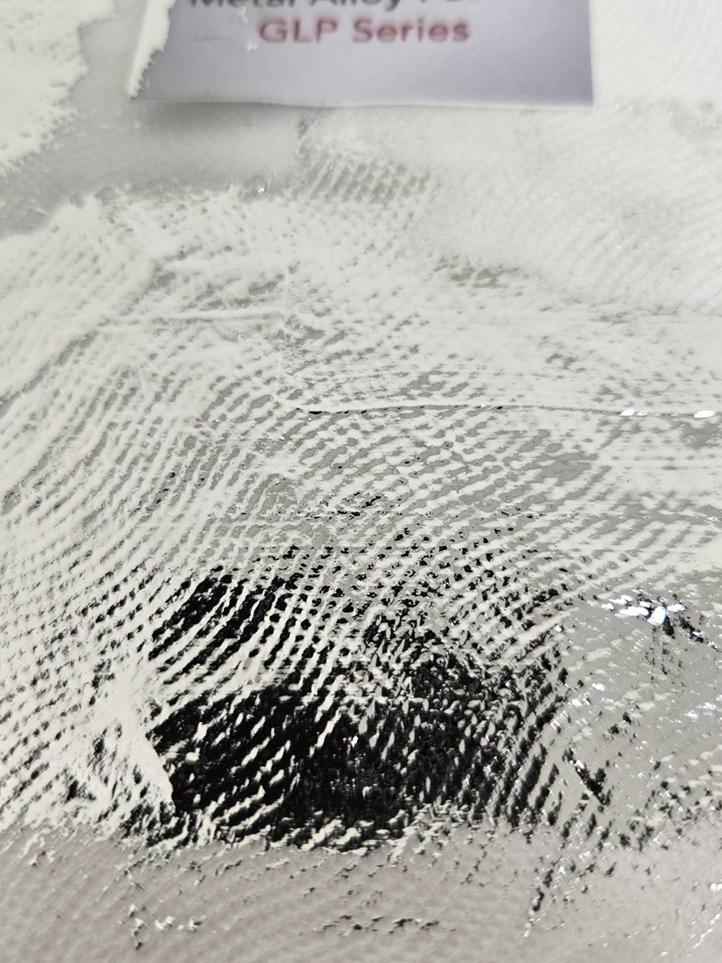
Conventional liquid metals have high surface tension and can migrate. Tripod metal alloy pastes improve coating and wetting, helping the material remain where heat transfer is required.
03 — TWO MATERIAL SYSTEMS
Glittery Metal Alloy Paste
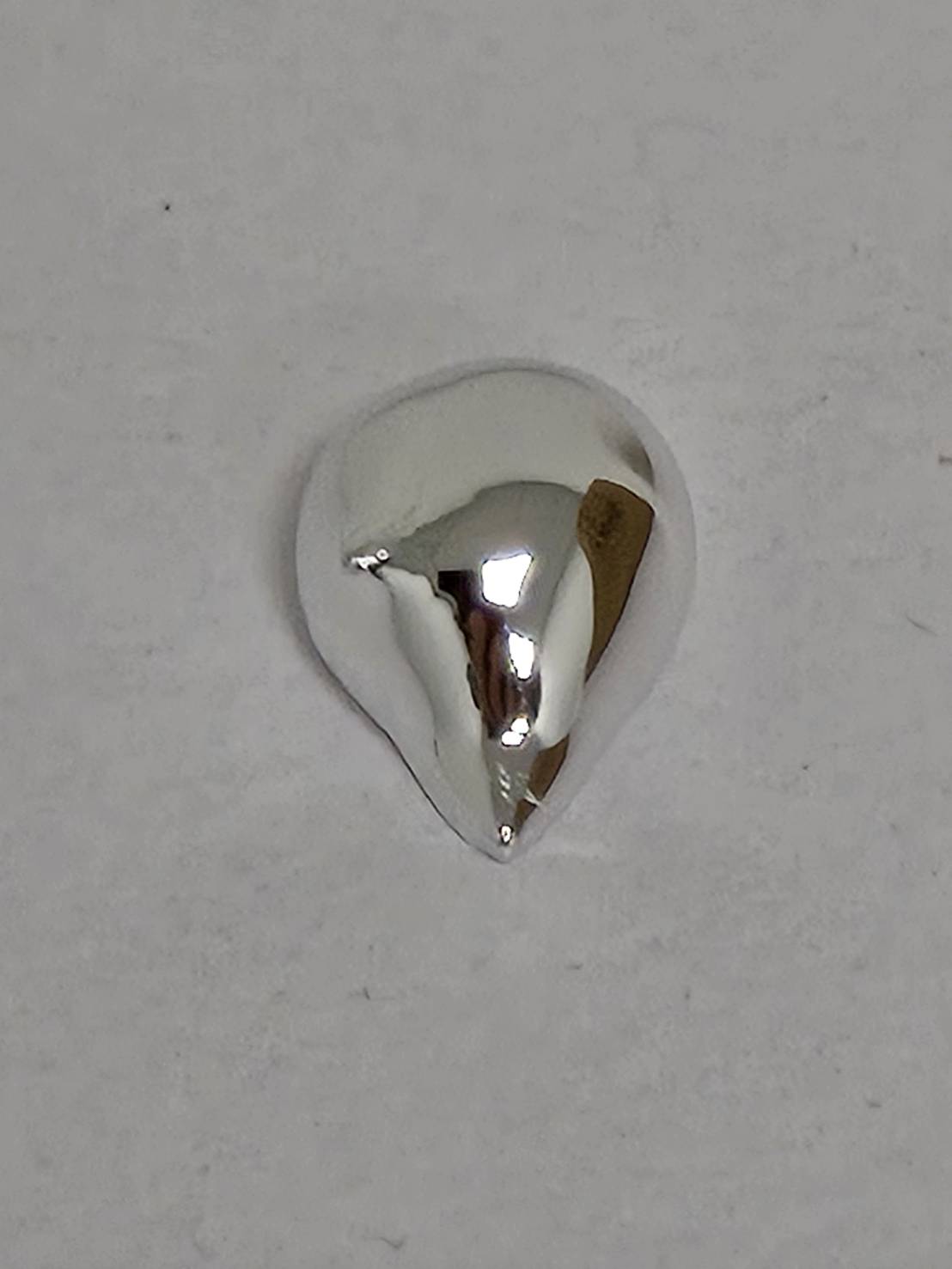 Actual GMAP droplet
Superior Metal Alloy Paste
04 — PRODUCT DETAILS
GMAP and SMAP address different thermal-interface locations. Select the material according to coating, conformity, resistance, and reflow requirements.
Ultra-thin interface between chip and heat sink
Package interface and high-temperature process
Easy spreading, wetting, and surface conformity
Retains material within the defined area after heat exposure
>15 W/m·K; 100°C / 200-hour anti-sagging test
>260°C reflow; five-cycle reflow test
GMAP thermal resistance is less sensitive to applied pressure, supporting ultra-thin interfaces and limited clamping force.
GMAP has been evaluated for high-temperature sagging and thermal-resistance change before and after drop testing.
SMAP is designed for high-temperature SMT reflow and package-level production requirements.
WETTING × CONFORMITY
GMAP combines strong wetting and conformity to fill microscopic gaps. Under ultra-thin TIM conditions, it maintains stable thermal resistance even as applied pressure changes.
05 — SPACE-GRADE
Thermal materials must address more than conductivity: high temperature, vacuum, radiation, shock, and production processes also matter.
GMAP metal materials offer a boiling point above 2,000°C and extremely low vapor pressure, reducing evaporation risk in vacuum. Inorganic metallic bonding also offers potential resistance to radiation aging.
Compared with organic materials susceptible to thermal aging, metal alloy paste supports demanding ambient and process temperatures.
Free-fall tests at 1, 3, and 5 drops assess appearance, leakage, and thermal-resistance change before and after impact.
High-temperature observations on heat-sink, chip-side, and glass surfaces verify stability in vertical orientation.
After five mass-reflow cycles, SMAP remained within the defined area for TIM 1 and SMT process requirements.
Tripod supports TIM development, thermal-module design, simulation, performance evaluation, manufacturing, and automation.
Space-environment statements describe material characteristics and application potential, not certification. Qualification must be completed for each mission profile.
06 — VALIDATED IN SYSTEMS
Average GPU temperature of GMAP+ versus the original interface material.
FurMark, 25°C ambient, 100-hour load.
Maximum T3 temperature of GMAP+ versus original liquid metal.
Results were obtained on specific platforms and test conditions. Tripod can support evaluation of interface, thickness, pressure, and thermal-module conditions before adoption.
07 — WETTING COMPARISON
GMAP's paste form makes it easier to spread the material and cover the contact area.
Actual Tripod coating test.
08 — APPLICATIONS
Chip-to-thermal-module interfaces for high-power CPUs, GPUs, and accelerators.
Lower chip temperatures and stable heat transfer under sustained workloads.
Thermal-interface solutions for high-heat-flux chips in constrained spaces.
Thermal management for vibration, vertical orientation, and wide-temperature conditions.
SMAP supports TIM 1 and mass-reflow processes above 260°C.
Material evaluation for vacuum, radiation, and mission-specific temperature profiles.
08 — TALK TO US
Thermal Interface Materials Div.
Chief Section Manager